Petts Wood Common seasonal flowers walking guide
Posted on 11/10/2026
Petts Wood Common Seasonal Flowers Walking Guide
If you are planning a gentle local walk and want more than just a loop in the fresh air, this Petts Wood Common seasonal flowers walking guide will help you notice the small things that make the Common feel different from month to month. Spring buds, summer colour, late-autumn texture, even the quiet structure of winter stems all play a part. Truth be told, a flower walk is often less about ticking off species and more about slowing down enough to actually see what is there.
Petts Wood Common is the kind of place where a short stroll can turn into a proper little nature reset. You do not need specialist gear, and you certainly do not need to be a botanist. What helps most is a bit of timing, a sensible route, and a simple understanding of which flowers tend to show best in each season. This guide covers that in plain English, with practical advice for families, casual walkers, keen gardeners, and anyone who likes a scenic walk with a bit of purpose.
Quick takeaway: the best seasonal flower walks are built around timing, weather, and observation. Visit the Common a few times across the year, and you will see it almost as a different place each season.
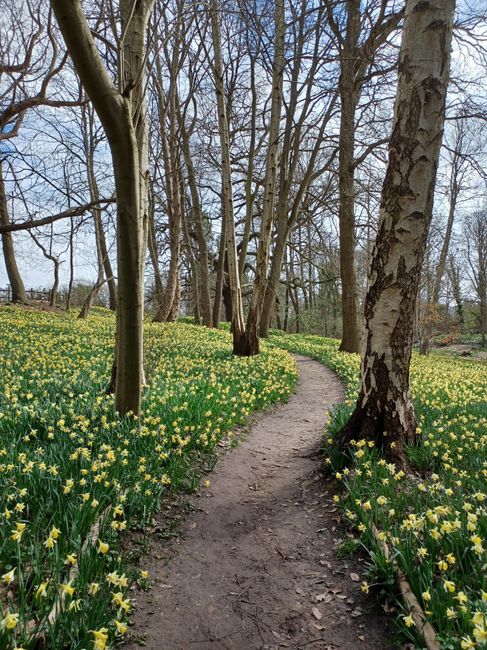
Table of Contents
- Why Petts Wood Common seasonal flowers walking guide Matters
- How Petts Wood Common seasonal flowers walking guide Works
- Key Benefits and Practical Advantages
- Who This Is For and When It Makes Sense
- Step-by-Step Guidance
- Expert Tips for Better Results
- Common Mistakes to Avoid
- Tools, Resources and Recommendations
- Law, Compliance, Standards, or Best Practice
- Options, Methods, or Comparison Table
- Case Study or Real-World Example
- Practical Checklist
- Conclusion
- Frequently Asked Questions
Why Petts Wood Common seasonal flowers walking guide Matters
Seasonal flower walking is not just a pleasant way to pass an hour. It changes the way you experience a local green space. Petts Wood Common has a layered feel: open stretches, tree cover, edges where light shifts throughout the day, and the kind of mixed habitat that encourages different plants to appear at different times. That means a walk in April can feel completely unlike a walk in August, and both can be worth it.
Why does that matter? Because most people visit nature spots on autopilot. Same route, same pace, same phone in hand. A seasonal approach nudges you into paying attention. You notice how bluebells give way to summer meadow flowers, how late-season seed heads create structure, and how after a dry spell the whole place can look more muted but still quietly beautiful. In our experience, once people start noticing this, they become more regular walkers. Funny how that works.
There is also a practical side. If you know what is likely to bloom when, you can choose the right time for a family walk, a photo walk, or a calm outing with someone who needs a gentler pace. Seasonal flower walks are especially useful for people who prefer walks with a bit of interest built in, rather than a route that feels like exercise for exercise's sake.
For local residents, this sort of guide also helps make the most of a familiar place. Petts Wood Common is not a destination you "do once"; it is somewhere that rewards repeat visits. A seasonal lens gives those repeat visits a bit of structure.
How Petts Wood Common seasonal flowers walking guide Works
A good flower walk starts with three simple things: timing, observation, and route choice. You do not need a complicated plan, but you do need enough awareness to match the walk to the season.
First, timing. Flowers respond to weather as much as they do to the calendar. A mild spring can bring earlier blossom; a cool, wet spell can delay things. So the guide should be read as a pattern, not a promise. That is important. No honest local guide should pretend that nature runs to schedule every single year.
Second, observation. A flower walk is not about finding the rarest bloom. It is about noticing what is dominant. You may see carpets of spring flowers in one month, then more grasses, thistles, and late pollinator-friendly species later on. If you slow down at the edges of paths, in sunnier clearings, and near sheltered hedges, you will usually notice the most.
Third, route choice. On Petts Wood Common, a useful route is one that gives you a mix of light conditions. Sunny patches tend to show more flowering growth, while shaded stretches are better for leafy structure, fungi later in the year, and cooler walking on hot days. A loop with variation is usually better than a straight out-and-back if you want more seasonal interest.
If you like a broader planning approach, it can help to think about your walk in the same way you might think about choosing blooms for a special occasion. The site's spring-inspired flowers and summer flowers collections capture that seasonal feel in a more formal setting, and the idea is the same outdoors: each season has its own visual mood.
Key Benefits and Practical Advantages
There are plenty of reasons to make seasonal flower walking part of your routine. Some are obvious, some less so.
- It makes short walks feel more rewarding. Even a 20-minute outing can feel memorable when you are looking for seasonal colour and detail.
- It encourages repeat visits. The Common becomes a changing landscape rather than a familiar backdrop.
- It suits a wide range of walkers. Families, solo walkers, photographers, and casual dog walkers can all get something out of it.
- It is weather-flexible. You can adjust pace, direction, and timing depending on the season.
- It builds local knowledge. After a few walks, you will know where the sunnier edges are, where the sheltered pockets sit, and where flowers tend to linger longest.
- It can be calming. There is something grounding about noticing tiny seasonal changes. A patch of violets, a sudden burst of yellow, a soft hedge scent after rain. Little things, but they add up.
From a practical point of view, this also helps you avoid disappointing visits. If you go expecting peak bloom in the wrong month, you may think the place has "nothing going on". Usually, that is not true; it just means the season has moved on to a different kind of beauty.
Useful reminder: flowers are only part of the scene. Leaves, seed heads, grasses, berries, and even bark texture all contribute to the experience, especially outside spring and early summer.
Who This Is For and When It Makes Sense
This guide is useful if you are any of the following:
- a local resident looking for a more interesting regular walk
- a visitor wanting a peaceful natural spot near Petts Wood
- a parent or grandparent planning a relaxed outing with children
- a photographer wanting natural colour across the seasons
- a gardener or plant lover curious about local seasonal patterns
- someone who simply wants to feel better after a long day and needs an easy place to unwind
It also makes sense at specific times of year. Spring is the most obvious, because that is when people tend to notice blossom and early flowers. But summer offers fuller growth and pollinator activity, while autumn brings warm tones and more textural interest. Even winter can be worthwhile, especially if you enjoy structure, frost, and the quiet atmosphere of a landscape stripped back to its bones.
Let's face it, not every outing has to be a "big day out". Sometimes you just need a green place, a clear head, and a reason to leave the house before the kettle gets put on for the third time.
Step-by-Step Guidance
If you want the walk to feel rewarding rather than random, use this simple approach.
- Choose the season first. Decide whether you want spring blossom, early summer colour, late summer abundance, or autumn texture.
- Check the weather and recent rainfall. After rain, colours often look fresher and flowers can stand up better. On very dry days, some blooms may look a little tired.
- Pick a flexible route. Plan a loop rather than a fixed "must-see" route, so you can adjust if one area looks better than another.
- Walk slowly at the edges. Flowers often appear where light spills in: path edges, glades, borders, and transitional spaces between open and shaded areas.
- Pause, then look again. A lot of people miss detail because they keep moving. Stop for ten seconds. You will notice more.
- Use simple categories. Instead of trying to identify every plant immediately, group them by colour, height, and setting: yellow patches, tall meadow stems, low purple blooms, white clusters, and so on.
- Take one or two photos. Not twenty. One photo can help you remember what you saw and compare seasons later.
- Finish with a quick reflection. Ask yourself what looked strongest today and what you might want to see next time.
A small but helpful trick: visit the same part of the Common at roughly the same time of day if you can. Morning and late afternoon light make a surprising difference. The same patch of flowers can look soft and pale at 9am, then much richer by early evening.
Suggested seasonal focus
Here is a simple way to think about what to look for through the year:
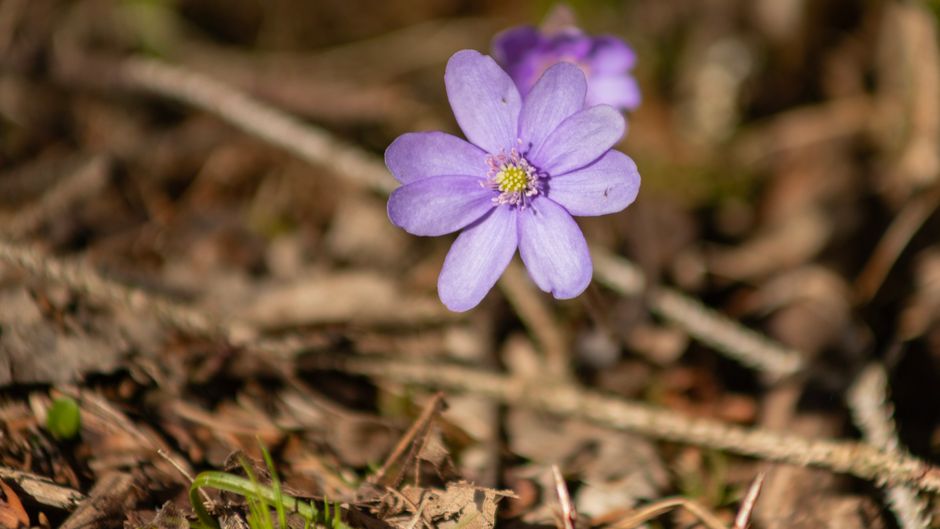
- Spring: blossom, bulbs, early woodland flowers, fresh green growth
- Early summer: fuller flowering patches, longer grasses, insects on the wing
- Late summer: bolder colour, seed heads, sun-toughened edges, pollinator activity
- Autumn: fading petals, berries, golden foliage, structural stems
- Winter: evergreen texture, bare branches, frost, silhouette and shape
Expert Tips for Better Results
Small adjustments make a big difference on a flower walk. A few practical tips from experience:
- Go after a light rain, not in a downpour. Flowers tend to look fresher, and the air often smells cleaner too. That damp earth smell? Always underrated.
- Watch the sun. Open areas bloom visually. Shade gives relief and contrast. A route that includes both is usually best.
- Look down and across, not just ahead. Some of the best detail is easy to miss if you only scan at eye level.
- Don't rush the first ten minutes. That is when people are still mentally in "getting started" mode. Slow down early and the whole walk improves.
- Return to the same spot in another season. This is where the real reward comes in. Familiar places become richer when you compare them over time.
- Bring a simple notebook or phone note. A quick line like "yellow flowers near the sunny edge" is enough. No need for a full botanical diary unless you enjoy that sort of thing.
Another useful habit is to look for plant associations rather than individual flowers. Certain species tend to appear in similar conditions. Sunny patches often support a different mix from sheltered ones. Once you notice the pattern, you will start reading the Common like a map of microhabitats. Bit of a fancy phrase, but the idea is straightforward.
Expert summary: the best seasonal flower walks are patient, repetitive, and observant. You are not trying to cover everything. You are trying to see enough well.
Common Mistakes to Avoid
Flower walks are easy to enjoy, but there are a few common missteps that can make the experience feel less satisfying than it should.
- Expecting peak bloom every time. Nature does not work to a fixed timetable. Some weeks will be richer than others.
- Walking too fast. If you rush, you miss the whole point. Simple as that.
- Ignoring weather conditions. A windy day, hard rain, or recent frost can change what you will see.
- Forgetting footwear. Even a gentle green-space walk can turn muddy after rain.
- Only looking for showy flowers. The quieter plants, grasses, and seed heads often carry the season better than you expect.
- Picking plants or disturbing habitats. Enjoy the flowers where they are. That is part of the deal with shared public green spaces.
One easy mistake is assuming that "not much is blooming" means "not much is happening". Not true. Late spring may look different from high summer, but the landscape is still doing a lot. In some ways, the quieter transitional periods are the most interesting ones.
Tools, Resources and Recommendations
You do not need much for this kind of walk, which is part of the appeal. Still, a few simple tools help.
- Comfortable footwear: trainers or walking shoes with decent grip.
- Weather-appropriate layers: the Common can feel cooler under tree cover and warmer in open sections.
- Phone camera or compact camera: useful for comparing blooms between visits.
- Notes app or small notebook: handy for tracking what you notice each season.
- Water bottle: especially in warmer months.
- Binoculars are optional: not for flowers themselves, obviously, but useful if you enjoy birdlife along the way.
If you want to extend the experience beyond the walk itself, it can be nice to bring seasonal themes into the home. For example, if spring flowers are your favourite part of the year, the site's flowers by post in Petts Wood and florist choice arrangements can be a useful way to keep that seasonal feeling going after the walk.
For people who like a broader gift or occasion angle, you may also find the wider all flowers collection helpful when comparing colours and styles inspired by the seasons.
Law, Compliance, Standards, or Best Practice
This is a public green space, so the usual commonsense standards matter. You do not need to overthink it, but respectful behaviour keeps the area pleasant for everyone.
- Stay on paths where appropriate. This reduces wear on delicate ground and protects plant growth.
- Do not pick or uproot wild plants. That may seem obvious, but it is worth saying plainly.
- Keep dogs under control. If you are walking a dog, be mindful of nesting birds, other visitors, and flower-rich edges.
- Leave no litter. Even small items can affect wildlife and the experience for others.
- Respect signage and local guidance. Temporary notices, seasonal restrictions, and maintenance work should be followed.
In the UK, good practice around shared open spaces is mostly about care, restraint, and awareness. No drama, no heroics. Just being considerate. That is the standard most people expect, and it is the one that works.
If you are taking photographs, keep access in mind and avoid trampling through flower patches for the "perfect" shot. The best nature photography is often the patient kind anyway.
Options, Methods, or Comparison Table
There are several ways to enjoy Petts Wood Common, depending on your goal. A seasonal flower walk is just one style. The comparison below may help you choose the best approach for the day.
| Walk style | Best for | What you notice most | Practical notes |
|---|---|---|---|
| Seasonal flower walk | Nature lovers, photographers, relaxed explorers | Blossom, meadow colour, seasonal change | Slow pace, best with a little repeat visiting |
| Fitness walk | People focused on exercise | Route length, pace, elevation changes | Less time to observe detail |
| Family discovery walk | Children, grandparents, casual outings | Big colours, insects, tree features | Keep it short and flexible |
| Mindful solo walk | Quiet reflection, stress relief | Scent, sound, texture, small seasonal shifts | Works best on quieter days |
| Photography walk | Amateur and keen photographers | Light, framing, close-up detail | Early or late light is often better |
For most readers, the seasonal flower walk gives the best balance. It is gentle enough to feel restorative, but structured enough to keep your attention. If you want, you can pair it with a practical flower choice at home too, such as summer flowers or the simpler, more flexible best sellers selection.
Case Study or Real-World Example
Here is a realistic example from a typical local outing. A couple sets out on a mild Saturday morning in late spring. They are not trying to cover distance. They simply want a walk with a bit of colour and a coffee afterwards. At first they stay on the most obvious path and notice only the trees. Fair enough. Then they slow down near a sunnier edge, and suddenly there is much more to see: fresh blossoms, a few early wildflowers, and a patch of brighter growth catching the light.
They stop for a couple of minutes. One of them takes a photo of a small cluster of flowers against darker green leaves. They do not identify every plant, because that is not really the point. But they walk away saying the same thing: "I didn't realise it changed that much here." That is the core value of a seasonal flower walk. It turns a familiar place into something new without needing a long drive or a grand plan.
A few weeks later, they return. Different flowers, different mood, slightly different route. The walk is not better in a dramatic sense; it is just different. And that difference is enough to make it feel like a habit worth keeping. Small pleasure, repeated. That matters more than people think.
Practical Checklist
Use this quick checklist before you head out:
- Check the weather and recent rainfall
- Wear comfortable shoes with decent grip
- Choose a route with both sunny and shaded sections
- Allow extra time for pauses and photos
- Bring water, especially in warmer months
- Keep your phone camera ready for comparison shots
- Look for more than flowers: leaves, grasses, seed heads, and scent
- Stay respectful of paths, plants, and other visitors
- Return in another season if you can
- Keep expectations flexible and enjoy what the day offers
If you want to build a habit around it, pick one repeat route and one repeat season. For example, spring and late summer are often the most rewarding pairing because they show the biggest contrast. A very simple system, but it works.
Conclusion
The best Petts Wood Common seasonal flowers walking guide is not the one that tries to impress you with complicated plant names or overblown claims. It is the one that helps you slow down, notice more, and come back again. The Common changes through the year in subtle, satisfying ways, and those changes are exactly what make a short walk worth doing properly.
If you keep an eye on the season, choose your route with a little care, and let yourself look twice, you will get far more from the walk than a simple loop outdoors. You may come for the flowers, but the real benefit is often the shift in mood that follows. That's the quiet magic of local nature spots: they do not shout. They just keep offering something new if you are willing to notice.
Get a free quote today and see how much you can save.
And honestly, that is a pretty good reason to lace up your shoes and go for another wander.
Frequently Asked Questions
What is the best time of year for a Petts Wood Common seasonal flowers walk?
Spring is usually the most obvious for blossom and early flowers, but late spring and summer often bring the richest mix of colour. Autumn can be excellent too if you enjoy texture, seed heads, and warmer tones. Winter is quieter, but still worthwhile for structure and atmosphere.
How long should a flower walk at Petts Wood Common take?
That depends on your pace and how much you want to notice. A relaxed 30 to 60 minute walk is often enough for a satisfying seasonal look. If you stop for photos or family time, it may easily take longer, and that is fine.
Do I need to know plant names to enjoy the walk?
No, not at all. Names are helpful if you like learning, but they are not required. You can enjoy the walk by noticing colour, habitat, and seasonal change without identifying every flower.
What should I wear for a seasonal flower walk?
Comfortable footwear is the main thing. After wet weather, paths can be muddy, so shoes with decent grip are a good idea. Layering is sensible too because open areas and shaded sections can feel quite different.
Is Petts Wood Common good for families with children?
Yes, especially if you keep the walk flexible. Children usually enjoy the bright colours, insects, and little discoveries along the way. Short loops with a few pauses tend to work best.
Can I take photos without disturbing the flowers?
Yes, if you stay on paths and avoid trampling flower-rich areas. A simple phone camera is usually enough for close detail, and you often get better pictures when you do not rush.
What if I visit and there are not many flowers out?
That happens sometimes. Seasonal walking is about the whole landscape, not just showy blooms. Leaves, grasses, berries, and seed heads can still make the walk interesting, and a different month may look completely different.
Are dogs allowed on a seasonal flower walk?
In most shared green spaces, dog walking is part of normal use, but it is important to keep dogs under control and be considerate of other visitors and wildlife. If in doubt, follow local signage and common-sense etiquette.
How can I tell which route is best for flowers?
Look for a mix of sunny and sheltered areas. Flowers tend to be more visible in brighter patches, while shaded areas give contrast and relief from the heat in summer. A loop route is often better than a straight path if you want variety.
What is the easiest way to make the walk feel more rewarding?
Slow down and visit the same place more than once. Seasonal change is easiest to appreciate when you compare one visit with another. Even small differences become more noticeable over time, and that is where the pleasure really builds.
Can I combine a flower walk with buying flowers for home?
Absolutely. Many people enjoy the walk first and then bring the seasonal feeling indoors with a matching bouquet or arrangement. If you like that idea, browsing seasonal styles after your walk can be a nice way to extend the mood.
Is this kind of walk suitable if I just want something calming and low effort?
Yes. In fact, that is one of its best uses. You do not need to cover a long distance or keep strict pace. A gentle wander with a few pauses is often enough to reset your head a bit, which, let's be honest, is what many of us are really after.